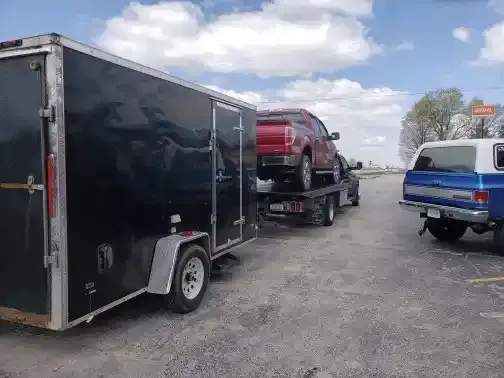
Page image supporting Tow Truck vs Mobile Mechanic: Making the Right Call. Decide whether a mobile mechanic, roadside service, or tow is the right respons…
Deciding Between a Nashville Tow or a Mobile Repair Service
Decide whether a mobile mechanic, roadside service, or tow is the right response to a Nashville breakdown based on safety, symptoms, and location.
When a vehicle stops running, the best next call depends on more than the warning light or noise that appeared. Your location, the vehicle's condition, the type of help available, and whether the problem can be handled safely all matter.
A mobile mechanic may be the most practical option when the vehicle is in a safe place and the likely repair can be completed there. Roadside assistance can resolve common problems such as a weak battery, flat tire, lockout, or empty fuel tank. A tow truck is usually the more appropriate next step when the vehicle is unsafe to drive, blocks traffic, has collision damage, or needs equipment and repairs found at a shop.
This guide is focused on that decision: mobile mechanic, roadside service, or tow.
Start With the Vehicle's Location
Before trying to identify the mechanical problem, consider whether anyone can work around the vehicle safely.
A driveway, level parking lot, or other location away from moving traffic may give a mobile mechanic enough room to inspect and repair the vehicle. Ask the provider whether the space, surface, lighting, and property rules are suitable for the work they expect to perform.
A shoulder or active travel lane on I-24, I-40, I-65, Briley Parkway, or another busy Nashville road is different. Traffic speed, limited clearance, curves, weather, and visibility can make an on-site repair impractical. If the vehicle is creating an immediate hazard or anyone is in danger, contact 911. Follow instructions from emergency personnel and avoid standing near moving traffic.
Even a repair that sounds simple may not be suitable at the roadside. If the location does not provide a reasonable work area, moving the vehicle to a safer place or repair facility may be the better choice.
When a Mobile Mechanic May Be the Better Choice
A mobile mechanic can be useful when the vehicle is parked safely and the problem can be diagnosed or repaired without shop-only equipment. This can save the extra step of transporting the vehicle before work begins.
Situations worth discussing with a mobile mechanic include:
- The vehicle is at home, at work, or in a safe parking area.
- The problem appears limited and the mechanic confirms it is within their mobile service scope.
- The vehicle can remain where it is while parts are located or work is completed.
- The repair does not require a lift, alignment equipment, extensive disassembly, or controlled shop conditions.
- The owner wants an on-site diagnosis before deciding whether transportation is necessary.
Do not assume a symptom identifies one failed part. A click when the key turns, a battery warning light, rough running, or a no-start condition can have more than one cause. Describe what happened and let the mechanic explain what can realistically be tested and repaired at the location.
Before booking, ask whether the quoted charge covers diagnosis only or includes labor, whether parts are available, and what happens if the vehicle still needs a tow. Costs vary by provider, location, vehicle, service, parts, time, distance, and circumstances, so a provider-specific quote is more useful than a general price estimate.
When Roadside Assistance May Solve the Problem
Roadside assistance falls between mechanical repair and vehicle transport. It is intended for common problems that may be resolved without opening up major vehicle systems.
A Nashville roadside assistance service may be appropriate for:
- A weak or discharged battery that may respond to a jump start.
- A flat tire when a usable spare is present and conditions allow a safe change.
- Keys locked inside the vehicle.
- An empty fuel tank.
The result depends on the vehicle and the cause of the problem. For example, a jump may start a vehicle with a discharged battery, but it may not resolve a failing charging system or another electrical fault. If the vehicle does not start or cannot be driven safely after the roadside service, towing may still be needed.
When Towing Is the More Appropriate Choice
Towing is generally the better option when the vehicle needs a repair facility, cannot move under its own power, or may be damaged further by continued driving.
Arrange a tow or ask a towing dispatcher to assess the situation when:
- The vehicle has collision, steering, suspension, wheel, or tire damage that affects safe movement.
- Warning lights, unusual noises, severe vibration, loss of power, or fluid loss make continued driving questionable.
- The temperature warning appears or the vehicle shows signs of overheating.
- The transmission will not engage, the vehicle will not roll normally, or one or more wheels are locked or damaged.
- The vehicle is in a location where inspection or repair cannot be performed safely.
- A mobile mechanic has diagnosed a problem that requires a shop.
- The required repair needs a lift, alignment rack, specialized equipment, or a controlled workspace.
If you are unsure whether the vehicle should be driven, avoid guessing from a single symptom. Explain the dashboard messages, sounds, leaks, wheel condition, collision damage, and exact location when you call. Photos may also help a provider understand access and vehicle condition before dispatch.
The Tow Method Depends on the Vehicle and Circumstances
Needing a tow does not automatically determine which towing method or truck is appropriate. The choice depends on the vehicle's year, make, model, drivetrain, weight, modifications, ground clearance, wheel condition, damage, pickup access, destination, and the manufacturer's current towing instructions.
Tell dispatch if the vehicle is all-wheel drive, electric, lowered, unable to shift into neutral, parked in a garage, or has locked or damaged wheels. Those details can affect equipment selection and loading plans. A dispatcher should evaluate the complete situation rather than rely on a universal rule for a vehicle category.
For Nashville transportation after a breakdown, the tow truck service page explains what information to have ready for dispatch.
Questions That Help You Choose
Use these questions to narrow the decision before contacting a provider:
- Is the vehicle in a safe place for someone to work? If not, prioritize moving it or obtaining emergency traffic assistance.
- Is the issue a common roadside need? A weak battery, flat tire with a usable spare, lockout, or empty tank may call for roadside assistance.
- Can a mobile mechanic reasonably complete the work at this location? Ask about workspace, tools, parts, and the expected repair.
- Does the vehicle show signs that driving could be unsafe? Collision damage, steering problems, wheel damage, overheating, major leaks, or severe noises support transporting it instead.
- Will a shop be needed even after diagnosis? If so, towing directly to the chosen facility may avoid an extra service visit.
- What does the vehicle manufacturer require? Owner's-manual instructions and manufacturer guidance should inform towing and handling decisions.
Information to Share When You Call
Whether you contact a mobile mechanic, roadside provider, or towing company, provide:
- Your exact location and whether the vehicle is in traffic, on a shoulder, in a garage, or on private property.
- The vehicle's year, make, model, drivetrain, and relevant modifications.
- What happened immediately before the problem began.
- Dashboard warnings, sounds, smells, visible leaks, smoke or steam, and wheel condition.
- Whether the engine starts, the transmission shifts, the steering works, and the vehicle rolls.
- Your preferred repair destination if towing may be necessary.
Clear information helps the provider decide whether the requested service fits the situation and what equipment may be needed.
Making the Right Call in Nashville
Choose a mobile mechanic when the vehicle is in a suitable work area and the likely diagnosis or repair can reasonably be completed there. Choose roadside assistance for a limited problem that may be resolved safely at the vehicle. Choose towing when the location is unsafe, the vehicle should not be driven, or shop facilities are likely to be required.
Hook Em' Up Towing provides roadside assistance and vehicle transport; it does not replace a repair shop or mobile mechanic. If a Nashville breakdown appears to require roadside help or towing, call (615) 756-5330 and describe the location, vehicle, symptoms, and destination. Dispatch can explain the available towing or roadside option, while mechanical diagnosis and repair decisions should be handled by a qualified repair provider.
Questions About Your Situation?
Get a straight answer and an honest quote from a locally owned Nashville company