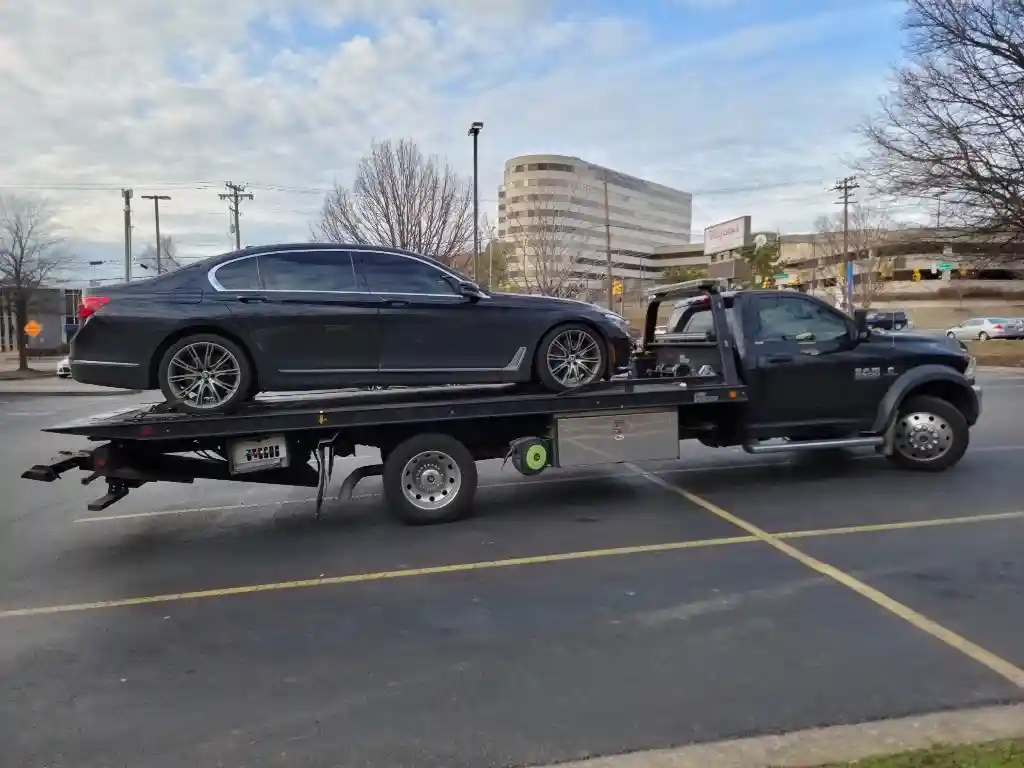
Page image supporting Roadside Emergency Kit Checklist for Nashville Drivers. Complete trunk emergency kit checklist for Nashville drivers. Must-have tool…
What Every Driver Should Pack for a Roadside Breakdown
Complete trunk emergency kit checklist for Nashville drivers. Must-have tools, seasonal items, and when to call a pro instead. Be prepared 24/7.
After running roadside calls across Nashville for years — I-24 shoulder breakdowns near the Harding Place exit, dead batteries in the Vanderbilt Medical Center garages, flat tires on the broken pavement along Dickerson Pike, stranded drivers stuck in Percy Warner Park with no cell signal — the same gap shows up again and again: "I wish I'd had ___ in my car." A good emergency kit won't fix everything, but it handles the small stuff so you don't have to call us at all, and it keeps you safe and comfortable when you do.
Nashville is a particularly unforgiving city to be unprepared in. The interstate stack at I-40/I-24/I-65 leaves zero shoulder for miles. Summer heat on Briley Parkway will cook you in a closed car within 20 minutes. Winter ice storms shut down the Brentwood hills and the bridges over the Cumberland with almost no warning. And cell service drops out in Bells Bend, Beaman Park, and parts of the Natchez Trace just south of the I-440 split. Here's what I recommend keeping in your trunk, built around what we actually see Nashville drivers need out there.
The Essentials: Start Here
Spare tire, jack, and lug wrench — Sounds obvious, right? You'd be surprised how many newer cars come without a full-size spare. Go check your trunk right now — do you have a spare that's properly inflated (60 PSI for most compact spares), a jack that works, and a lug wrench that fits your wheel nuts? If your car only came with a tire repair kit or run-flat tires, understand the limitations before you're stranded on I-24 at midnight. And if you can't change it yourself, our tire change service has you covered.
A real flashlight — Your phone flashlight kills your battery fast — the same battery you need to call for help. Keep a dedicated LED flashlight with extra batteries. Better yet, get a headlamp so your hands stay free. You'll thank me the first time you're changing a tire in the dark.
Reflective warning triangles or LED flares — Tennessee law requires you to make a disabled vehicle visible to other drivers, especially on interstates. Place them at least 100 feet behind your car. LED flares are reusable and safer than the old pyrotechnic kind.
Basic tool kit — A small kit covers most minor fixes: adjustable wrench, standard and needle-nose pliers, flathead and Phillips screwdrivers, electrical tape, zip ties (assorted sizes), and duct tape. Nothing fancy, just the basics.
First aid kit — Adhesive bandages, gauze, antiseptic wipes, pain relievers, and any personal medications you take regularly. If you're ever in an accident, having first aid supplies while you wait for emergency services makes a real difference.
Seasonal Additions for Nashville Weather
Nashville summers routinely hit 95°F+, and waiting with no shade is miserable. From May through September, pack extra water (at least two bottles per person), sunscreen, a bottle of coolant or antifreeze (overheating is the second most common summer breakdown), and a towel or umbrella for shade.
Nashville ice storms catch people off guard every year. From November through March, add a blanket or sleeping bag (if you get stranded during an ice storm, warmth is priority one), an ice scraper and small shovel, cat litter or sand for tire traction, hand warmers, and extra warm layers — gloves, hat, thick socks. For more cold-weather driving prep, we put together a winter safety guide.
Communication and Documentation
Keep a car charger AND a portable battery pack. If your car battery dies, the car charger is useless — that's exactly when you need the portable one.
Don't rely entirely on your phone. Print a card with your insurance company and policy number, a reliable towing company number (ours is (615) 756-5330), your mechanic's number, emergency contacts, and your vehicle's VIN, year, make, and model. Stick it in the glove box. Keep hard copies of insurance and registration there too, plus photos on your phone — you'll need these for any accident situation or traffic stop.
Fuel and Fluids
Running out of gas happens way more than people admit, especially when Nashville traffic turns a 20-minute drive into an hour. You can't safely store gasoline in your trunk, but you can keep an empty 1-gallon approved fuel container so someone can help fill it. You can also save our number for fuel delivery — we bring gas directly to you. Good habit: refuel at a quarter tank, not on empty. Also keep a quart of motor oil and a bottle of coolant in the kit — those handle the two most common fluid-related breakdowns.
Keeping Your Kit Useful
The best kit in the world is useless if it's buried under groceries. Use a dedicated duffel bag or plastic bin to keep everything together. Check it every season — rotate water bottles, test batteries and the jump starter, check spare tire pressure. Restock after every use. And keep it in the trunk, not the back seat.
When Your Kit Isn't Enough
Your kit handles minor situations, but some problems need a professional. Engine won't start after a jump attempt? Might be the alternator or starter — call for a tow. Stuck in mud, a ditch, or off the road? Don't spin your wheels and dig deeper — our winch-out service gets you out safely. Locked out? Our lockout service gets you back in without damaging the door. Accident or collision? Secure the scene, call 911, then call for professional transport.
Quick Shopping List
| Category | What to Get |
|---|---|
| Power | Jumper cables or portable starter, phone chargers (car + portable) |
| Tires | Spare tire (inflated), jack, lug wrench, tire pressure gauge |
| Visibility | LED flashlight, extra batteries, reflective triangles, LED flares |
| Tools | Adjustable wrench, pliers, screwdrivers, tape, zip ties |
| Safety | First aid kit, reflective vest, seatbelt cutter/window breaker |
| Fluids | Water bottles, motor oil (1 qt), coolant, empty gas can |
| Weather | Blanket, umbrella, ice scraper, sunscreen, hand warmers |
| Docs | Printed emergency contacts, insurance info, registration copy |
Save our number now: (615) 756-5330 — so it's ready before you need it. When the kit isn't enough, having live roadside backup — whether that's a jump start, a roadside tire change, or fuel delivery on speed dial is your real safety net.
Stranded or Stuck? We're Ready.
Our dispatchers are standing by around the clock — one call and a truck is on the way