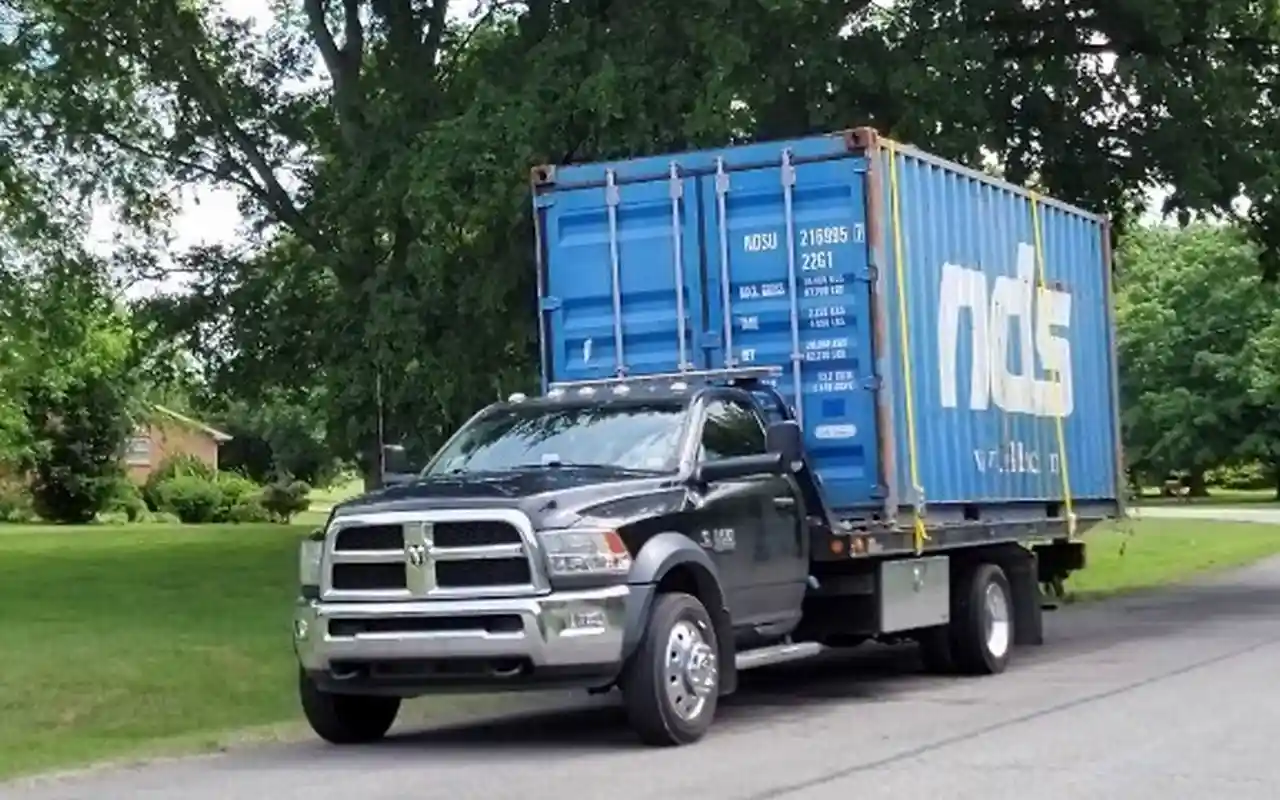
Page image supporting Can a Child Ride in a Tow Truck? A Parent's Checklist. Learn what to confirm before towing with children in Nashville, from belted s…
Planning a Tow Truck Ride With Children in Nashville
Learn what to confirm before towing with children in Nashville, from belted seats and child-restraint compatibility to arranging a separate family ride.
A child may be able to ride in a tow truck, but do not assume the dispatched truck can safely carry your family. Passenger transport depends on the operator’s policy, the truck’s available seating, and whether each child’s required restraint can be used correctly in an approved seating position.
Before dispatch, confirm those details for the actual truck—not tow trucks in general. If suitable seating or child-restraint compatibility is unavailable or unconfirmed, arrange a separate ride that meets those needs. Nobody should remain inside the disabled vehicle while it is being towed, including on a flatbed.
Before dispatch: report everyone who needs a ride
Start the call by separating two requests: moving the car and transporting its occupants. An accepted towing request does not necessarily include a ride for passengers.
Tell dispatch:
- The total passenger count: Include every adult and child who would need to ride, not just the driver of the disabled car.
- Each child’s age and restraint needs: State whether the child uses a rear-facing seat, forward-facing harness, booster, or vehicle seat belt. Have the child’s height and weight available when needed to check restraint limits and fit.
- The restraint you have: Give its brand and model if possible, and explain whether it is currently installed in the disabled vehicle.
- Any access or assistance needs: Mention mobility limitations or difficulty climbing into a truck cab.
- Your exact location: Include the interstate and travel direction, a nearby exit or mile marker, or the business name and parking-lot entrance.
- Your passenger destination: The repair shop may not be where the family needs to go. Ask whether any passenger destination can be accommodated rather than assuming an extra stop is possible.
For Hook Em' Up Towing in Nashville, call (615) 756-5330 to discuss passenger and child-seat needs before dispatch. Towing is available 24/7; that does not establish passenger capacity or child-seat compatibility for a particular truck.
Ask about the actual truck’s seats—not just room in the cab
A cab that looks roomy may still lack enough usable passenger seating positions. The driver’s seat is not an available passenger seat, and a wide bench does not automatically accommodate multiple child restraints.
Ask dispatch or the operator:
- Does the company permit passengers in this truck?
- How many designated passenger seating positions with working seat belts are available?
- Where are those seats located, and what types of belts do they have?
- Can the required child restraint be installed and used there according to both manufacturers’ instructions?
- Are there airbag restrictions or other seating limitations that affect the child?
Every occupant needs a separate, appropriate seating position. Children cannot ride on an adult’s lap or share a seat belt. A booster or car seat also does not turn an unapproved space into a passenger seat.
If the answer is only “there should be enough room,” keep the passenger plan unresolved. Ask for confirmation or arrange another vehicle.
Check the child restraint against both instruction manuals
Child-restraint compatibility is more specific than whether a seat physically fits through the cab door. Follow both the tow truck manufacturer’s instructions and the child-restraint manufacturer’s instructions for the exact seating position and installation method.
Have the restraint manual available, whether printed or accessed from the manufacturer. Ask the operator about the truck’s seating requirements. Do not rely on a general assurance that a car seat has fit in a similar truck before.
Rear-facing seats and airbags
Never place a rear-facing child restraint in front of an active frontal airbag. If the proposed seat creates that conflict, it is not a suitable place for the child to ride.
Do not assume an airbag will automatically switch off, or improvise a way to disable it. Any permitted configuration must be established through the vehicle manufacturer’s instructions. If it cannot be confirmed, use suitable separate transportation.
Forward-facing seats and installation requirements
Check the permitted seating position, belt routing, belt-locking method, and applicable top-tether requirements. Do not assume a visible loop or attachment point is an approved tether anchor.
A seat-belt installation may be allowed for a particular restraint and vehicle; lower anchors are not universally required. The approved method comes from the manuals, not from whichever attachment seems convenient. Do not substitute cargo straps or makeshift anchor points.
Boosters and older children
A belt-positioning booster requires a lap-and-shoulder belt. A lap-only belt is not a substitute. Follow the booster’s instructions for seating position and head support as well.
For a child riding without a booster, proper belt fit must be assessed in that particular seat. Fit in the family car does not guarantee fit in a truck cab. Do not skip a needed restraint because the trip is short.
Arrange a separate family ride when anything remains uncertain
A separate ride is the appropriate plan when the truck cannot carry everyone, company policy does not allow passengers, or the child’s restraint cannot be used correctly. You do not need to wait for the truck to arrive to start arranging it.
Possible options include a trusted adult with a suitable vehicle, a taxi, or a rideshare. For any option, confirm:
- Enough seats and appropriate belts for every passenger.
- Compatibility with the restraints your children need.
- Whether you must bring and install your own restraints—do not assume the service provides them.
- A pickup point that can be reached without walking along a highway or crossing traffic.
- Enough time and safe access to transfer restraints and essential belongings before the tow leaves.
If the restraint was in a collision, check its manufacturer’s crash-replacement guidance before reusing it. A seat can require replacement even without obvious damage.
If one adult is considering riding with the tow operator while another accompanies the children, confirm both arrangements independently. A single available passenger seat does not solve the family’s transportation needs.
Nashville pickup planning: interstate shoulder versus parking lot
The location affects how a family can safely transfer between vehicles. This is especially important on I-24, I-40, and I-65, where passing traffic makes a roadside car-seat transfer hazardous.
On an interstate shoulder
Give dispatch your direction of travel and the best location details available. Tell both the towing company and the separate ride provider that children are present and that the pickup is on a highway shoulder.
Do not walk the family to an exit, cross lanes, or cross the median to meet a ride. Do not assume a taxi or rideshare can safely stop beside the disabled car. Ask how passenger pickup can be coordinated safely; an ordinary ride booking alone may not resolve the roadside access problem.
Whether to remain in the stopped vehicle or move away depends on immediate conditions. If anyone is injured or in immediate danger, call 911 and follow responder instructions. For the broader emergency sequence, see what to do immediately after a breakdown.
In a parking lot
A parking lot may offer more options, but tow-truck loading areas and active driving lanes are not places to install a child seat or wait with children.
Identify a safe waiting and transfer area with the operator. Keep a responsible adult with the children and away from loading equipment and the vehicle’s path. Give the separate driver a specific entrance or safe meeting location so the family does not have to cross a busy lot looking for the ride.
Before loading begins: settle the passenger plan
Passengers must not remain in the vehicle being towed. That includes a child secured in a car seat and an adult sitting with them, whether the vehicle will be carried on a flatbed or towed by another method.
Before loading starts, confirm with the operator:
- Where every adult and child will ride.
- That each child has a suitable restraint and seating position.
- How and when restraints can be safely removed from the disabled car.
- Where the family will wait if the separate ride has not arrived.
- Which essentials need to come out first, such as medication, a diaper bag, and a phone.
If the arriving truck differs from what you discussed, check the seating plan again. Do not force an incompatible restraint to fit because the truck is already there.
A useful pre-dispatch summary is: “There are ___ adults and ___ children. The children use ___. Can the specific truck safely accommodate all of us under its seating instructions and our restraint instructions? If not, we’ll need a separate ride and a safe transfer plan.”
Hook Em' Up Towing — Nashville's Trusted Choice
Towing and roadside assistance across Nashville, available 24/7