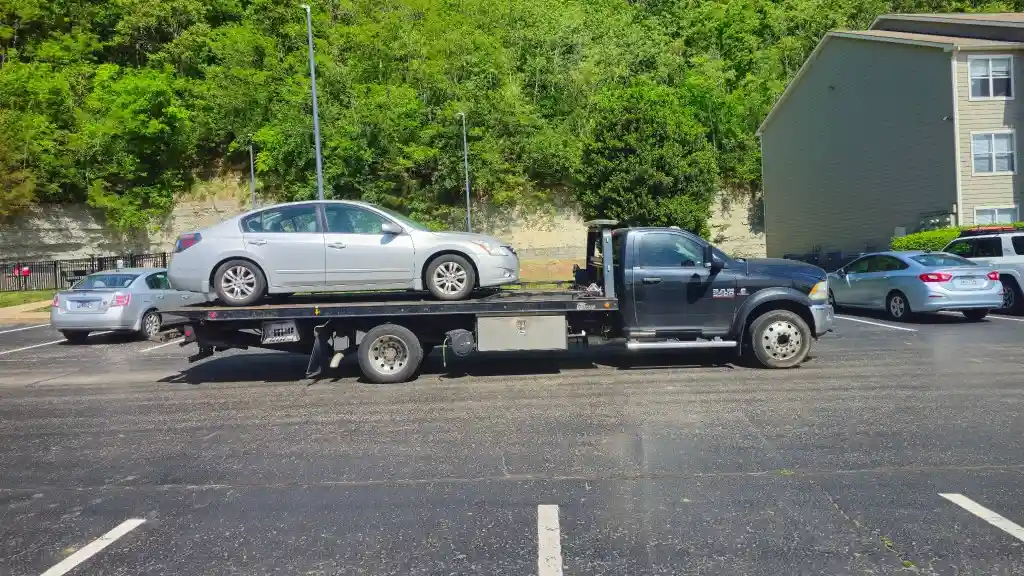
Page image supporting Which Car Insurance Coverages Pay for a Tow?. Liability, collision, comprehensive and roadside endorsements: how each type of car in…
Which Car Insurance Coverages Pay for a Tow?
Liability, collision, comprehensive and roadside endorsements: how each type of car insurance coverage generally relates to paying for a tow.
Whether insurance pays for a tow depends on which coverages you carry and why the vehicle needs to be moved. This explainer from the Hook Em' Up Towing Team describes how the common types of coverage generally relate to towing, so you know what to look for on your own policy. It is general information, not insurance advice; your policy documents and insurer decide what is covered.
Two Questions That Decide Most Cases
- Why does the vehicle need a tow? A breakdown (dead battery, failed alternator, transmission problem) is different from a tow that results from a collision, theft, fire, flood, or other insured loss.
- Which coverages are listed on your declarations page? Coverage names vary by insurer, so read the actual policy rather than relying on a general label.
Liability Coverage
Liability coverage pays for damage or injury you cause to other people, up to your limits. It is not designed to pay for your own vehicle's breakdown or your own tow. If you carry liability coverage only, plan on paying for a breakdown tow yourself unless you have a separate roadside benefit.
Collision and Comprehensive Coverage
People often call this combination "full coverage," but that is an informal phrase, not a specific product. Collision applies to damage from a crash; comprehensive applies to certain non-collision losses such as theft, weather, or fire, depending on the policy.
When a tow is needed because of a covered loss, many policies treat reasonable towing as part of that claim, subject to the policy's terms, limits, and deductible. These coverages generally do not apply to an ordinary mechanical breakdown that was not caused by a covered event.
Roadside or Towing-and-Labor Endorsements
Breakdown towing is commonly covered through an optional add-on, which insurers call by names such as roadside assistance, emergency road service, or towing and labor. These endorsements commonly include limits, which might be a dollar amount per occurrence, a mileage limit, or a destination rule such as the nearest qualified repair facility. Some also cover services like jump starts, lockouts, tire changes, or fuel delivery. Check your own endorsement for the actual terms.
Benefits Outside Your Auto Policy
You may have towing help that is not part of your insurance at all:
- Motor clubs and roadside memberships
- Vehicle manufacturer or warranty roadside programs, which may apply for a limited period on some vehicles
- Credit card benefits, which vary widely by card
- Benefits bundled with other services, such as some phone or extended-warranty plans
Each program sets its own rules. Some send a provider for you; others reimburse you after you pay.
Quick Reference
- Breakdown, liability-only policy: usually not covered by the auto policy itself
- Breakdown, roadside endorsement: may be covered within the endorsement's limits
- Tow after a covered crash or loss: often handled within that claim, subject to policy terms
- Any situation: a separate membership, manufacturer, or card benefit may also apply
Next Steps
Once you know which coverage might apply, our companion guide on how to use your Tennessee insurance when you need a tow walks through what to ask before dispatch, the receipt details to keep, and what to do if a claim is denied. If the tow followed a crash, see who pays for towing after an accident in Tennessee.
If you are paying directly or your benefit has a limit, Hook Em' Up Towing provides an upfront quote before an accepted Nashville dispatch and an itemized receipt you can submit to your insurer or plan. For a breakdown, see our roadside assistance service or call (615) 756-5330.
Hook Em' Up Towing — Nashville's Trusted Choice
Towing and roadside assistance across Nashville, available 24/7