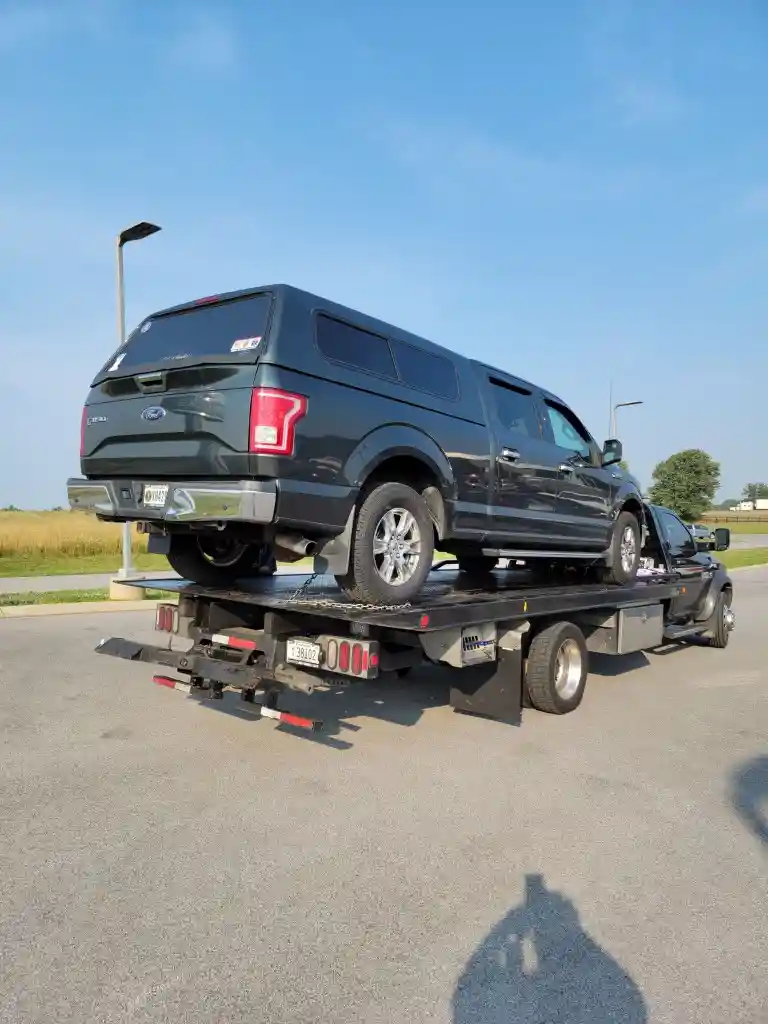
Page image supporting Tennessee Towing Laws and Metro Impound Rules [2026]. TN towing ordinances, Metro Davidson impound procedures, private-lot signage r…
What TN Drivers Need to Know About Tow & Impound Rules
TN towing ordinances, Metro Davidson impound procedures, private-lot signage rules and fee caps explained by a Nashville operator. Updated 2026.
This article is general information from a working Nashville tow operator, not legal advice. Towing rules change, and they differ between the state, Metro Nashville and surrounding counties. Verify anything you plan to act on with the Tennessee Motor Vehicle Commission, Metro Nashville, or an attorney.
I get questions about towing laws all the time — usually from someone who just got towed from a private lot and wants to know if it was legal. Sometimes from business owners who want to know their rights. This article walks through how Tennessee's towing rules generally work — licensing, insurance, fees and signage — as they apply across Davidson County.
For a practical guide on what to do if you've been towed and want to dispute it, see our Metro Davidson regulated rate caps breakdown.
I'm not a lawyer, but after running a wrecker company here in Davidson County for over a decade, I've learned these rules inside and out. Here's what you need to know.
Tennessee State Requirements for Towing Companies
Every legitimate towing company in Tennessee needs a valid business license, proper insurance, certified operators with the right commercial driver's licenses, and vehicles that pass safety inspections. The Tennessee Motor Vehicle Commission (TMVC) is the main regulatory body that oversees towing operators in the state.
The insurance piece is worth understanding because it directly protects you. Tennessee law requires us to carry general liability insurance, on-hook/cargo insurance (which covers YOUR vehicle while we're towing it), and garage keepers liability (which covers your vehicle while it's stored at our facility). If a towing company damages your car during transport, their insurance should pay for repairs. If they don't carry proper coverage — and some fly-by-night operations don't — you could be stuck fighting through your own insurance or small claims court.
We're also required to display rate schedules on our trucks, give written estimates when you ask for one, and itemize all charges on the final invoice. No hidden fees, no surprise charges after the fact.
Private Property Towing — Where Most Problems Happen
This is where the complaints pile up. Someone parks at an apartment complex, runs into a friend's unit for "five minutes," comes back and their car is gone. It happens constantly, and the rules around it are pretty specific.
What Property Owners Can Do
Private property owners across Davidson County can authorize removal of vehicles that park without permission, block driveways or fire lanes, violate posted parking rules, or remain on property after business hours when signs say so. But they can't just call any tow truck to start snatching cars — there's a process.
The Signage Rules Are Strict
Private-lot towing generally depends on proper warning signage. In practice that means signs clearly visible at every entrance to the parking area, printed large enough to read from the driveway, naming the towing company and its phone number, stating that unauthorized vehicles will be towed at the owner's expense, giving the address of the storage facility, and readable at night. The exact lettering size and wording requirements are set by state and Metro rules, so check the current ordinance if you plan to challenge a tow on signage grounds.
Here's a tip: If you get towed from a private lot, before you pay anything, go back and photograph the signage. If the signs don't meet these requirements, you may have grounds to challenge the tow. Take photos with timestamps.
One Critical Rule Most People Don't Know
In Tennessee, towing companies cannot patrol private lots and tow vehicles on their own initiative. A property owner or their authorized representative has to request each specific tow. If a tow company is cruising lots and hooking up cars without being called, that's not legal.
Your Rights When You Get Towed
Tennessee law gives vehicle owners specific protections, and knowing them can save you money:
You have the right to receive written notice of where your vehicle was taken. Fees have to be reasonable — the state establishes maximum charge guidelines. You can access personal belongings inside your towed vehicle during business hours. You can pay by credit card (if a company demands cash only, that's a red flag). And storage facilities have to let you pick up your vehicle outside business hours for an additional reasonable fee.
What About Fee Limits?
Tennessee and Metro Nashville set limits on what a towing company can charge, and those caps are updated from time to time and can differ between Davidson County and the surrounding counties. Rather than rely on a figure you read online, ask the towing company for its posted rate schedule and an itemized invoice, then compare it against the current published limits from Metro Nashville and the state before you pay.
Charges Worth Questioning
Look closely at "gate fees" stacked on top of storage fees, charges for days your vehicle wasn't actually stored (if you pick up same-day, you shouldn't see daily storage on the bill), vague "administrative" charges with no justification, mandatory "damage inspection" fees you didn't request, and cash-only demands.
How to Dispute an Improper Tow Under Metro Davidson Law
If you believe you were towed illegally, here's the process I'd recommend:
Document everything first. Photograph the signage (or lack of it) at where you were parked. Photo the parking area showing your space and any restrictions. Get the itemized receipt. Note the time of the tow versus the posted restrictions. Record the tow company name, driver's name, and storage facility info.
File formal complaints. The TMVC handles licensing violations. Nashville Metro Consumer Affairs handles unfair towing practices. The BBB creates a public record. For patterns of abuse, the Tennessee Attorney General's Consumer Protection Division gets involved.
Consider small claims court for financial recovery. Tennessee general sessions courts handle small claims, you can represent yourself, and filing fees are modest — check the current limits and fees with the Davidson County clerk. Bring all your documentation: photos, receipts, communication records. Strong documentation is what decides these cases.
File a police report if you believe the tow was outright illegal — no signage, predatory practices, stolen property from your vehicle. This creates an official record that supports everything else.
Abandoned Vehicle Rules
Different laws apply to abandoned vehicles, and they come up more than you'd think.
Tennessee and Metro Nashville define when a vehicle counts as abandoned, and the time limits differ depending on whether it's sitting on a public road, on private property, or left after a crash. Those windows are short — often a matter of days, not weeks — so don't assume a legally parked car is safe indefinitely.
The process generally involves a tow, an attempt to notify the registered owner by certified mail, and a waiting period. If nobody claims the vehicle, the towing company can apply for a title and the vehicle may be sold at auction.
If your vehicle was wrongly identified as abandoned — maybe you were parked legally and just didn't move it for a couple days — you have the right to reclaim it before the waiting period expires. You'll be responsible for the towing and storage fees that accumulated, but you can dispute the tow through the channels I described above.
Choosing a Towing Company That Plays By the Rules
Before you hire a towing company, verify a few things: ask for their TMVC license number and look it up. Request proof of on-hook/cargo insurance. Get the total cost in writing before work begins. Check their rate schedule — it should be visible on the truck and match what you were quoted. And look at their reviews and complaint history on Google, BBB, and TMVC records.
Red flags include refusing to provide a license number or insurance proof, cash-only payment policies, no written estimates, rates way below market (classic bait-and-switch), arriving in unmarked vehicles, pressuring you to sign without reading, or taking your vehicle to an unspecified location.
The Bottom Line
Towing regulations exist to protect you. Understanding them means you can avoid illegal tows, challenge improper charges, and make informed decisions about who you trust with your vehicle. We operate fully licensed, insured, and in compliance with every Tennessee towing regulation — because that's the only way to do this job right.
Got questions about towing laws or need a tow from a company that does things by the book? Call us at (615) 756-5330. If your situation needs a legitimate response, work with a licensed local roadside operator who follows Metro ordinances.
Know Your Rights — We Follow Every Rule
Licensed, insured, and compliant with every Tennessee towing regulation