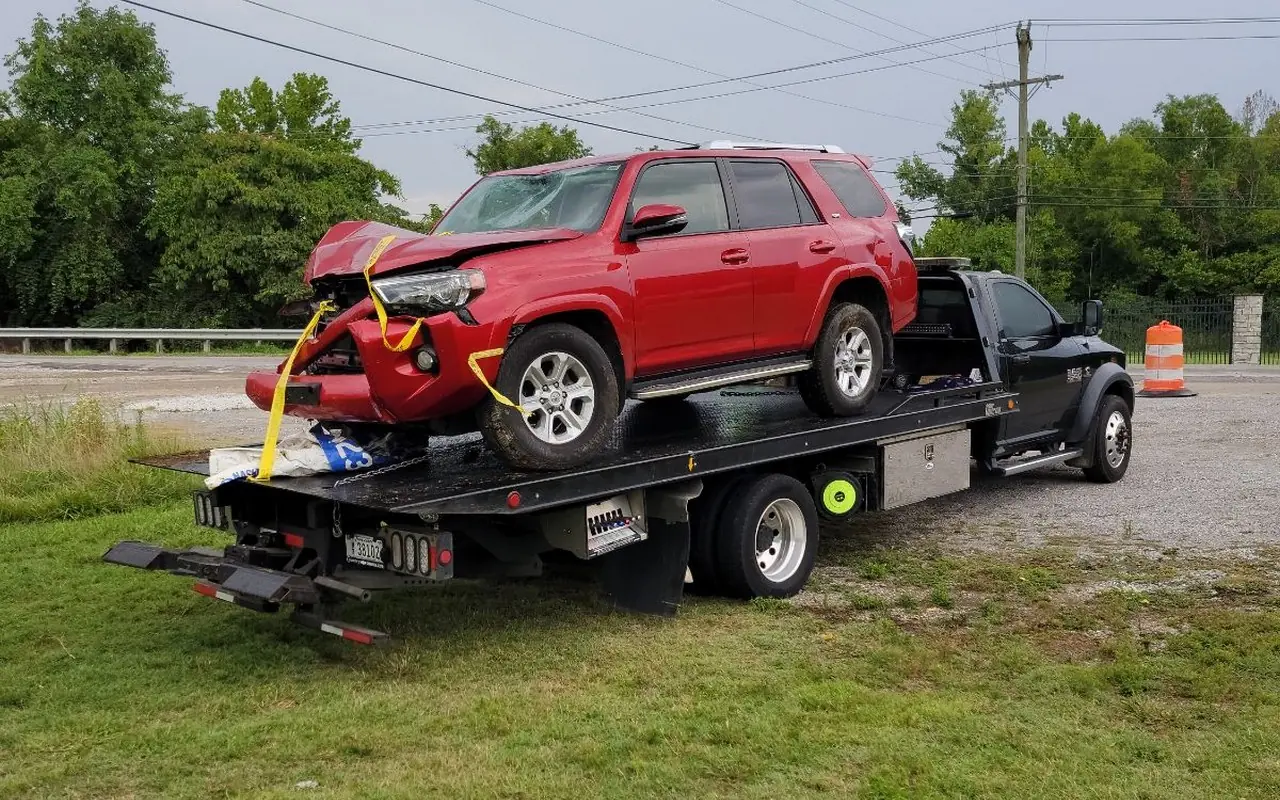
Late Night & Weekend Towing Nashville: What to Expect
What happens when you need a tow at 2am? Guide to after-hours towing in Nashville - response times, costs, and what to have ready.
There's a particular kind of anxiety that comes with a vehicle breakdown after dark. The world looks different at 2 AM—quieter, emptier, and depending on where you're stranded, potentially dangerous. Understanding what actually happens when you need towing outside of business hours can help you navigate these situations more effectively.
The Reality of After-Hours Vehicle Emergencies
When Breakdowns Typically Happen
AAA's data on roadside calls reveals interesting patterns:
- Peak breakdown times: Rush hours (7-9 AM, 4-7 PM) see the most volume
- After-hours distribution: Roughly 30% of calls come between 10 PM and 6 AM
- Weekend patterns: Friday and Saturday nights see higher late-night volume
- Seasonal factors: Summer heat causes more battery and cooling failures; winter affects batteries and starting systems
The takeaway: breakdowns at inconvenient hours aren't rare—they're a substantial portion of all roadside emergencies.
What Makes Late-Night Breakdowns Different
Visibility challenges:
- Reduced ability of other drivers to see your disabled vehicle
- Harder for you to assess your vehicle's condition
- Tow truck operators need proper lighting to work safely
Safety considerations:
- Less foot traffic means fewer potential witnesses
- Some areas become higher-risk at night
- Impaired drivers are more common after midnight
- Emergency services may have longer response times
Psychological factors:
- Fatigue affects your decision-making
- Isolation increases stress
- Urgency to resolve situation can lead to poor choices
Understanding these factors helps explain why after-hours towing requires specific considerations.
How 24/7 Towing Operations Actually Work
Dispatch Models
Towing companies handle after-hours calls in three basic ways:
Staffed dispatch (ideal):
- Live dispatcher answers calls 24/7
- Immediate access to fleet tracking
- Can assess driver availability in real-time
- Consistent company standards maintained
On-call rotation:
- Calls forward to an on-duty driver's cell phone
- Response depends on that driver's location
- Quality and response time can vary night to night
- May have delays if driver is on another call
Third-party answering service:
- Service takes information, passes to company
- Adds delay to dispatch process
- Information may be lost in translation
- No real-time fleet visibility
How to identify which model you're calling:
- Ask: "Are you a dispatcher or answering service?"
- Ask: "Can you tell me which driver is coming and their ETA?"
- Staffed dispatch can answer immediately; others cannot
Driver Availability Reality
Here's what companies don't advertise: 2 AM has fewer trucks available than 2 PM. Understanding why helps set realistic expectations.
Middle-of-the-night constraints:
- Fewer drivers on shift (cost efficiency)
- Drivers may be on calls already
- Traffic is lighter, but so is coverage
- Some companies reduce fleet after midnight
What this means for you:
- Response times may be longer (40-60 minutes instead of 20-30)
- You may have fewer choices of companies actually available
- The first company to answer may not be the best choice
Price Differences at Night
Some companies charge after-hours premiums. Others don't. Understanding the justification helps you evaluate fairness.
Legitimate reasons for night rates:
- Overtime labor costs
- Hazard pay for drivers
- Reduced call volume spreads fixed costs
Typical after-hours surcharges:
- $25-$50 flat fee
- 10-25% premium on base rate
- Higher mileage charges
Red flag pricing:
- "Emergency rates" that double the price
- Surcharges not disclosed until arrival
- Rates that change based on your desperation level
Before calling, ask: "Do you have different rates for after-hours service? What's the total cost right now versus during business hours?"
Staying Safe While Waiting
Highway Breakdowns at Night
Immediate actions:
- Pull completely off the roadway (shoulder, exit, anywhere)
- Turn hazards on immediately
- Turn interior lights OFF (preserves night vision, battery)
- Stay in vehicle with seatbelt on
Why staying inside matters more at night:
- Passing drivers have reduced visibility
- Your dark clothing doesn't help
- Impaired drivers less likely to see you
- Vehicle provides protection
If you must exit:
- Exit passenger side (away from traffic)
- Move well behind the guardrail
- Use phone flashlight sparingly (preserves battery)
- Return to vehicle if conditions feel unsafe
Urban Breakdowns at Night
Different considerations than highway situations:
Location assessment:
- Well-lit parking lot? Stay with vehicle
- Empty side street? May be safer inside car
- Unfamiliar neighborhood? Lock doors, stay inside
- Near open business (gas station, 24-hour store)? Consider waiting there
Personal safety:
- Keep phone charged and accessible
- Share location with someone you trust
- Be cautious of unsolicited "help"
- Know you can always call 911 if feeling threatened
Managing Your Phone Battery
Your phone is your lifeline. Protect it:
- Reduce screen brightness
- Close unnecessary apps
- Turn off WiFi and Bluetooth
- Use power-saving mode
- Limit non-essential calls
- If very low, only use for emergency calls
Before battery dies: Text your location and situation to someone who can call for help if you go silent.
What to Expect From the Tow Truck Arrival
Night Operations Differences
Professional operators adapt to after-hours conditions:
Lighting:
- Work lights on truck illuminate the scene
- Reflective vests and markers
- Proper warning lights for traffic
Communication:
- Driver should call when en route
- Verify company name and driver name
- Professional drivers understand night calls are stressful
Loading process:
- May take slightly longer for safety
- More attention to visibility for passing traffic
- Same mechanical procedures, more caution
Red Flags at 2 AM
Desperation shouldn't override judgment. Be wary of:
- Unmarked vehicles claiming to be tow trucks
- Pressure to pay cash only
- Demands for payment before service
- Refusal to provide company name or ID
- Attempts to tow to locations you didn't specify
Even at 2 AM, you have rights. A legitimate operator respects them.
After-Hours Roadside Alternatives
Sometimes a tow isn't necessary:
Jump Start Services
Dead battery at night is common (dome light left on, etc.)
What a jump start service does:
- Arrives with portable jump pack
- Tests battery condition
- Attempts starting
- Recommends replacement if battery is failing
Cost at night: $50-$100 typically
Tire Change Services
Flat tire in the dark is challenging to change yourself:
What service includes:
- Safely jacking vehicle
- Removing flat
- Installing spare
- Checking spare pressure
Cost at night: $50-$75 typically
Fuel Delivery
Ran out of gas after stations closed:
What service includes:
- Delivery of 2-3 gallons
- Enough to reach nearest station
Cost at night: $50-$75 plus fuel cost
Lockout Service
Keys locked in car happens at all hours:
What service includes:
- Non-destructive entry
- Various techniques depending on vehicle
Cost at night: $50-$100 typically
Planning Ahead for Night Emergencies
Vehicle Preparation
Keep these in your car:
- Phone charger (car and portable backup)
- Flashlight with fresh batteries
- Reflective triangles or flares
- Small first aid kit
- Bottle of water
- Blanket (heat or cold protection)
- Paper with emergency numbers (phone dies sometimes)
Insurance and Coverage Review
Know before you need it:
- Does your policy include roadside assistance?
- What's the coverage limit for towing?
- Is there a preferred provider network?
- What's the reimbursement process?
Saved Contacts
In your phone right now, save:
- Your insurance company's roadside number
- At least one verified local towing company
- A trusted friend or family member who could help coordinate
- Non-emergency police line for your area
The Psychology of 2 AM Decisions
When you're tired, stressed, and stranded, decision-making suffers. Knowing this helps you counteract it:
Common mistakes at night:
- Accepting the first quote without questioning
- Agreeing to services you don't need
- Signing paperwork without reading
- Letting frustration override caution
- Making rash decisions to "just get it over with"
Counteracting impulses:
- Take a breath before agreeing to anything
- Ask: "Is this decision different because it's late?"
- Remember: a 30-minute wait for a legitimate company beats a scam
- When in doubt, ask more questions
Summary
Late-night breakdowns are stressful but manageable with preparation and knowledge. Understanding how after-hours towing operations actually work—staffing, pricing, dispatch models—helps you make better decisions under pressure. Prioritizing personal safety while waiting, knowing your alternatives to full towing service, and preparing your vehicle and phone contacts in advance all reduce the chaos when you're actually stranded.
The goal isn't to eliminate the inconvenience of a 2 AM breakdown—that's impossible. The goal is to navigate it safely, efficiently, and without getting taken advantage of.
Need Towing or Roadside Assistance?
Available 24/7 across Nashville for all your emergency towing needs