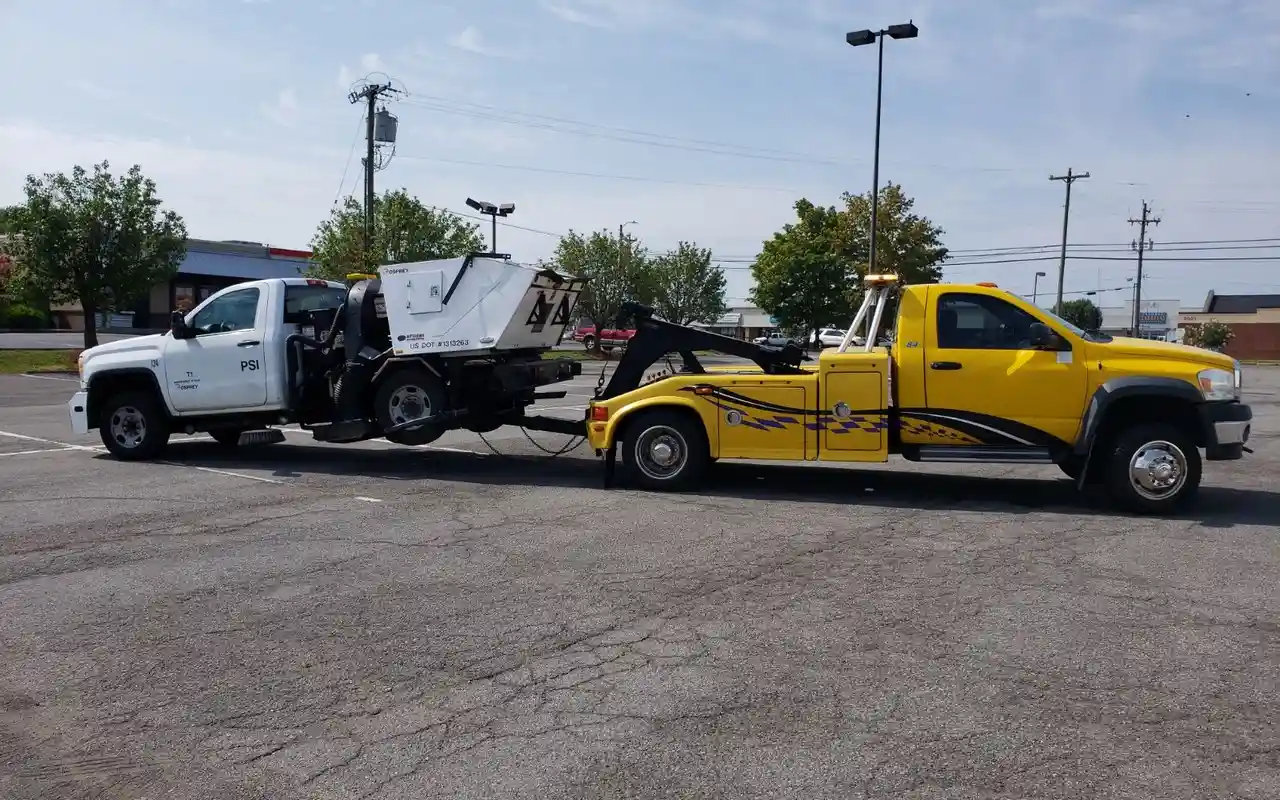
Page image supporting Nashville Ice & Snow Driving: When to Call for Help. Nashville winter driving survival guide. Handle ice and snow, when to pull over…
Nashville Ice & Snow Driving: When to Call for Help
Nashville winter driving survival guide. Handle ice and snow, when to pull over, and emergency towing when needed.
Nashville doesn't get the brutal winters that Chicago or Minneapolis does, and honestly, that's part of the problem. Most Nashville drivers have limited experience on ice and snow, and when a real ice storm hits, the results are predictable: cars in ditches, pileups on the interstates, and gridlock across the city.
This guide focuses on what you can do as a driver — vehicle prep, skid recovery techniques, and the gear you should carry from November through March. For a look at how winter changes towing and recovery operations, see our winter towing operations guide.
Before the Cold Hits: Spend 30 Minutes Now
Check your battery. Nashville's summer heat is actually what kills batteries — the heat degrades them internally, and then the first cold morning delivers the knockout punch. If your battery is more than 3 years old, get it tested. Most auto parts stores do this for free. We see a 300 percent spike in jump start calls on the first hard freeze of the season, every single year. If you want to know whether your battery is already giving warning signs, read our guide on why car batteries die.
Look at your tires. You need at least 4/32" of tread for winter conditions — more than the 2/32" legal minimum. Here's the quick test: stick a quarter in the tread with Washington's head pointing down. If you can see the top of his head, you need new tires. Also check your tire pressure — for every 10-degree drop in temperature, tires lose about 1 PSI.
Top off your fluids. Antifreeze should protect to at least -20°F. Windshield washer fluid should be winter formula (regular fluid freezes and cracks the reservoir). Keep your gas tank above half full — it prevents fuel line freezing and gives you a buffer if you get stuck in traffic.
Driving on Ice: What Actually Works
Slow down. I know, groundbreaking advice. But specifically: cut your speed in half on icy roads and triple your following distance. If the car in front of you hits the brakes, you need three to ten times more stopping distance on ice than on dry pavement.
Nashville's ice trap: bridges and overpasses. Any elevated road surface freezes before the roads on either side of it because cold air circulates underneath. The Korean Veterans Bridge, Shelby Avenue Bridge, and the pedestrian overpass exits on I-65 near downtown are notorious. Approach every elevated crossing as if it's already icy whenever your dashboard thermometer reads 37°F or below — pavement temperature runs colder than the air.
Hills are the other problem. Nashville is hilly, and ice plus hills equals sliding. If you need to go up a hill on ice, build momentum on the flat section first — don't try to accelerate on the slope. Going downhill, shift to low gear and let engine braking do the work rather than riding your brakes.
If you start to slide: Take your foot off the gas. Don't hit the brakes hard. Steer gently in the direction you want to go. Small, calm inputs — no jerking the wheel. If your ABS kicks in (you'll feel the pedal pulse), keep steady pressure and steer where you need to go. ABS is doing its job.
When Conditions Exceed Your Comfort Level
There's no shame in deciding the roads are too bad. If you see vehicles sliding around you, if your car won't hold traction going straight, or if you just don't feel safe — pull over somewhere safe and call for help.
You should call for a tow if your car slides off the road into a ditch, if you get stuck on ice and can't get traction, or if you're in an accident on icy roads. Winter towing takes a bit longer — trucks drive carefully on the same icy roads, and call volume spikes during storms. But help will come.
Your Trunk Should Have These Things
Keep this stuff in your car from November through March. You probably won't need it, but the one time you do, you'll be really glad it's there:
A blanket or sleeping bag, because if you're stranded on I-24 during an ice storm, warmth is priority number one. An ice scraper (not a credit card). A flashlight with fresh batteries — winter darkness starts at 4:30 PM. A portable phone charger, because cold drains phone batteries fast. A small bag of kitty litter or sand for instant traction under stuck tires. And jumper cables or a portable jump pack.
The Bottom Line
Nashville's winters are unpredictable. We can go weeks with mild temperatures and then get slammed with an ice storm that shuts the city down for two days. You can't control the weather, but you can check your battery and tires before it hits, adjust your driving when conditions change, and have a plan for when things go sideways.
When they do go sideways, we're here. Twenty-four hours a day, every day, including Christmas morning.
Call (615) 756-5330 — and drive safe out there. If you slide off in an ice storm, our winter-ready dispatch can reach you safely.
Stranded or Stuck? We're Ready.
Our dispatchers are standing by around the clock — one call and a truck is on the way