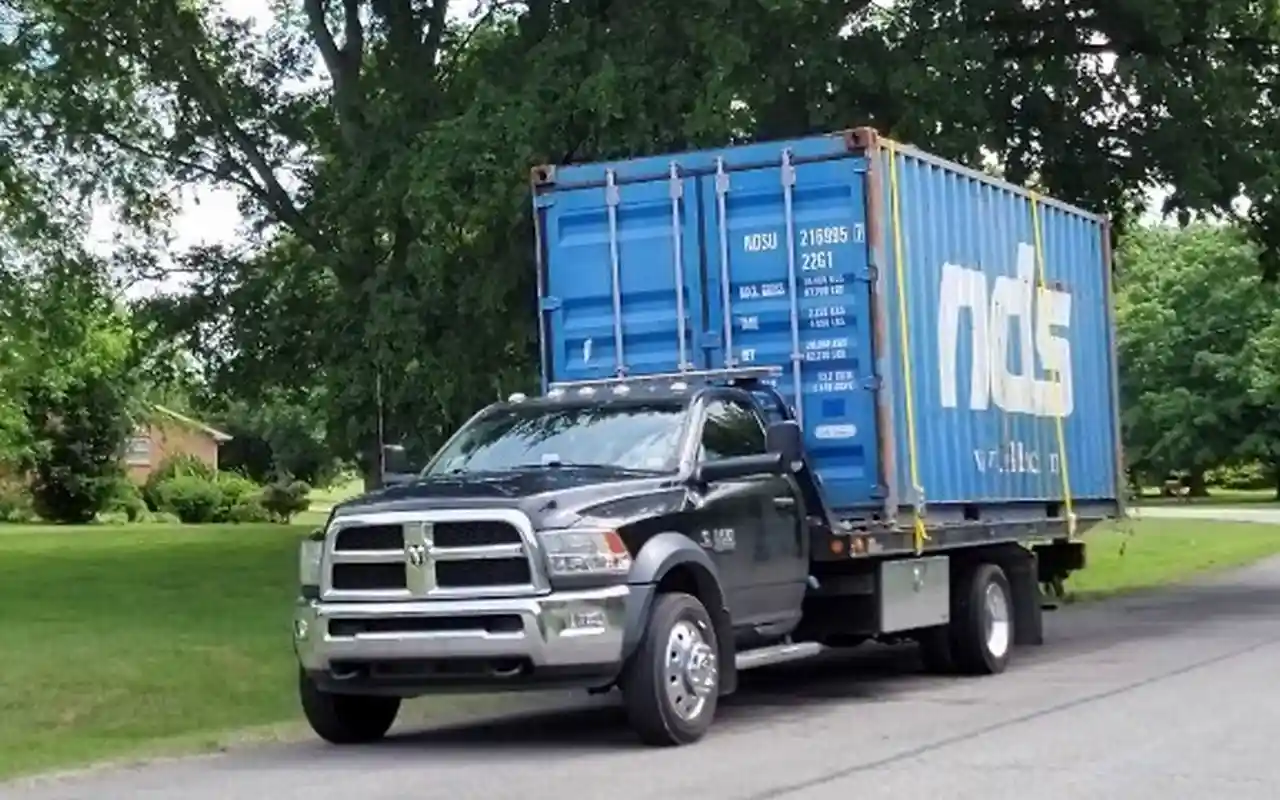
Page image supporting Lowered Car Towing: Zero-Angle Loading. Approach angles, ramp grades, and what to tell dispatch so a lowered car is loaded with less…
Loading a Lowered Car With Less Risk to the Front Lip
Approach angles, ramp grades, and what to tell dispatch so a lowered car is loaded with less risk to splitters, bumpers, and air suspension.
If you've lowered your car — a slammed Civic on coilovers, a bagged Charger sitting close to the frame, or a classic cruiser — the last thing you want is a hook-and-chain truck dragging the front bumper across the pavement.
Here's what to know about getting a lowered car towed safely in Nashville. If you need a truck now, request a flatbed tow or call (615) 756-5330.
Why Standard Equipment Can Damage a Lowered Car
Standard wheel-lift tow trucks work by sliding metal arms under the tires and lifting one end of the car. On a stock-height vehicle that's fine. On a lowered car, the approach angle of those arms alone can scrape or damage a front lip before the truck even starts lifting.
Dollies under the rear wheels can help keep all four wheels on the ground, but if the dolly height doesn't match the car's ride height, clearance problems can still occur — especially on rougher pavement.
How Equipment Should Be Selected
For a vehicle sitting low to the ground, the safest approach generally uses a shallow-angle, flatbed-style loading setup rather than a wheel-lift:
Zero-angle loading. A shallow-angle loader tilts its deck down to the ground, creating a gentle ramp so the car can roll or be winched on without an aggressive angle change.
Ramp angle varies by equipment. Not every flatbed has the same approach angle, and older equipment can still be too steep for very low cars. Matching the truck to the car's actual ride height matters.
Air ride and adjustable suspension. If the car has air suspension or adjustable coilovers and the system is working, raising it before loading can add helpful clearance. If the system isn't working — which often happens during a breakdown — the loading approach needs to account for static ride height instead.
Always defer to the manufacturer's towing instructions and the condition of the vehicle, since every build is different. No equipment or technique can guarantee zero contact on every car in every condition — the goal is minimizing risk with the right approach and a careful operator.
What to Expect When You Call
When you call (615) 756-5330 and mention your car is lowered, expect to be asked:
- How low is it, and is it on coilovers, bags, springs, or stock lowering springs?
- Does it have a front splitter or lip that's especially vulnerable?
- Can the ride height be raised before the truck arrives?
Those answers help determine which truck and approach fit the job. It's also reasonable to ask how the car will be secured, such as with wheel straps, if you're concerned about custom wheels.
Road Conditions Worth Watching
A few conditions can be hard on a car that sits low to the ground:
- Uneven pavement and potholes
- Steep grades and driveway transitions
- Construction zones with steel plates, which can create sudden height changes
- Steep parking garage ramps, which can bottom out a very low car
If your car gets hung up at a garage entrance or similar spot, mention it when you call so the right equipment and approach can be planned.
Cost and Insurance
Ask for a quote on the phone before the truck is dispatched.
Whether insurance pays for a tow depends on your coverage and the reason for the tow; see our guide on whether car insurance covers towing. If your car is modified, ask your insurer whether your policy accounts for the modifications. Keep an itemized receipt for your records.
What to Do If Your Lowered Car Breaks Down Right Now
- Ask what equipment a truck is running before letting anyone hook up your car. If it isn't suitable for a low car, it's reasonable to decline and arrange a different truck.
- Raise the car if you safely can. Air ride owners can go to max height; coilover owners with the right tools can add preload if that's safe to do roadside.
- Remove anything fragile and accessible, like a hanging splitter rod or loose underbody panel, if you can do it quickly and safely.
- Call (615) 756-5330 and let us know it's lowered, roughly how low, and your location.
- Take photos before the tow of your bumpers, lip, wheels, and underbody — this protects you and helps with any insurance claim.
Ready to book? Visit our flatbed towing page for service details, or call (615) 756-5330 and mention your car is lowered.
Frequently Asked Questions
Can lowered cars be wheel-lift towed? It depends on the exact vehicle, clearance, condition, and manufacturer instructions. Dispatch asks for those details and confirms suitable equipment before accepting the tow.
Can air ride raise a car high enough before towing? If the air suspension system is working, raising to max height before loading generally adds helpful clearance. If the compressor has failed or the system lost pressure, loading needs to be planned around static ride height instead.
Will towing damage my front lip or splitter? The right equipment and a careful approach substantially reduce the risk, but no method can guarantee zero contact on every vehicle — ride height, road surface, and the specific part all factor in. A shallow loading angle, slow, careful loading, and proper securement help minimize risk.
What tow truck works best for lowered cars? A flatbed with hydraulic deck tilt that creates the shallowest practical ramp angle is generally the better option over a wheel-lift wrecker. When you call, we try to match the truck to your car's ride height ahead of time. For low-clearance builds, ask for low-clearance flatbed transport with a proper approach ramp.
Hook Em' Up Towing — Nashville's Trusted Choice
Towing and roadside assistance across Nashville, available 24/7