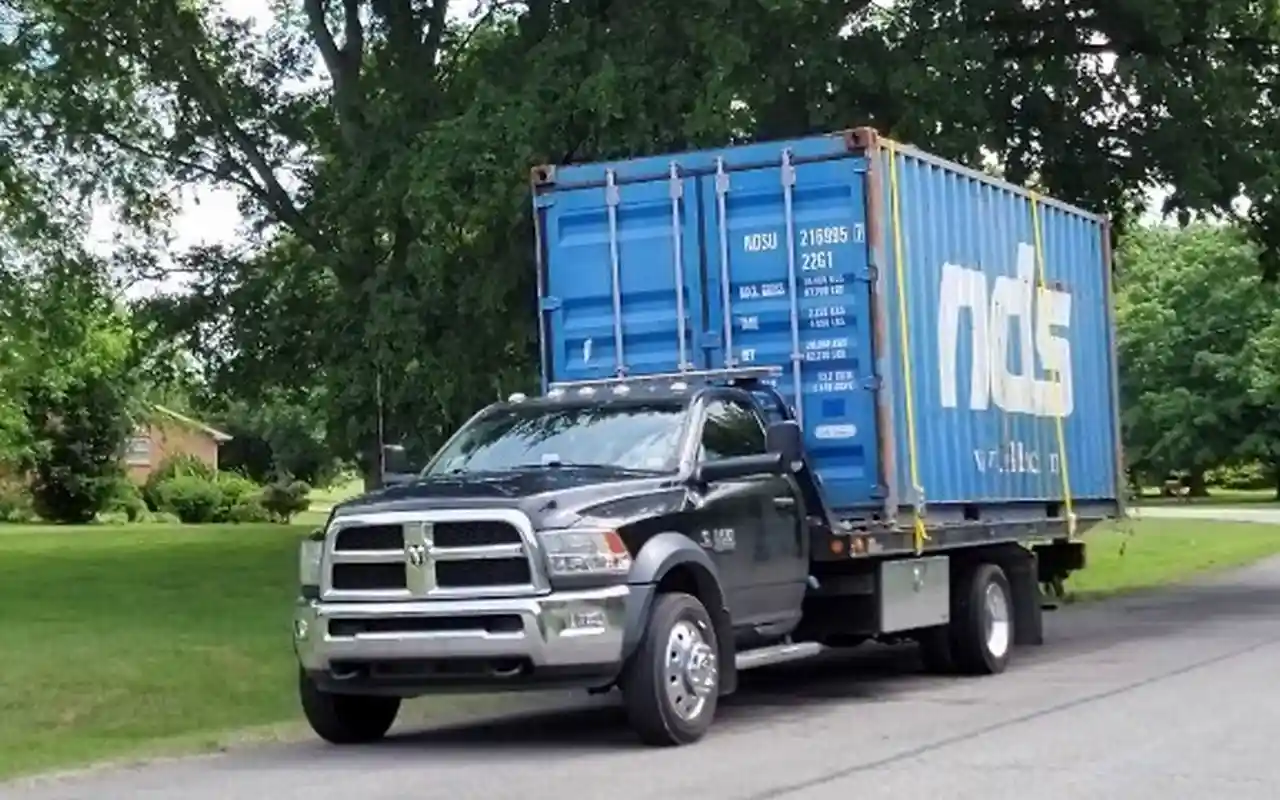
Page image supporting Towing in Nashville Rain & Storms: Safety Guide. Expert advice on navigating Nashville rain and storms. Learn safety tips and how Ho…
Staying Safe When Your Car Quits in Nashville Rain and Storms
Expert advice on navigating Nashville rain and storms. Learn safety tips and how Hook Em' Up Towing handles emergency towing in Middle Tennessee weather.
Navigating Music City’s Unpredictable Weather: A Driver’s Guide
If you’ve lived in Nashville for more than a week, you know the old saying: “If you don’t like the weather, wait ten minutes.” From sudden summer downpours that turn I-40 into a lake to those intense spring thunderstorms that roll through Davidson County, driving in Middle Tennessee requires constant vigilance.
Rain and storms don’t just make for a soggy walk down Broadway; they create hazardous conditions on our roads that lead to accidents, hydroplaning, and mechanical failures. At Hook Em' Up Towing, we’ve seen it all. Whether you’re stuck on the shoulder of Briley Parkway or need a winch out after sliding into a ditch in Bellevue, we are here to help.
In this guide, we’ll cover the best practices for nashville towing rain situations and how to stay safe when the clouds turn gray.
Why Nashville Storms Are Different
Nashville’s geography and infrastructure present unique challenges during heavy rainfall. The "Nashville Basin" can trap moisture, leading to rapid-onset flash flooding. Furthermore, our major arteries—the I-24/I-40/I-65 split—are notorious for poor drainage in specific sections, leading to deep standing water that can stall even the toughest trucks.
When the first few drops fall after a dry spell, the oils on the road rise to the surface, making the pavement slicker than a polished stage floor at the Ryman. This is often when we see the highest demand for Nashville towing.
Essential Safety Tips for Driving in Nashville Rain
1. Slow Down and Increase Following Distance
This sounds basic, but it is the single most effective way to avoid needing a tow. In heavy rain, your tires have less traction. If you’re cruising at 70 mph on the Ellington Parkway, your stopping distance is significantly increased. Give yourself at least five to six seconds of space between you and the car in front.
2. Turn On Your Headlights (But Not Your Hazards)
Tennessee law requires headlights to be on when windshield wipers are in use. However, a common Nashville mistake is turning on hazard lights while driving. Hazards should be reserved for when your vehicle is stationary on the shoulder. If you are moving, flashing hazards can confuse other drivers about whether you are stopping or changing lanes.
3. Avoid Cruise Control
Never use cruise control on wet roads. If your car begins to hydroplane, the cruise control system may actually accelerate to maintain speed, causing you to lose total control of the vehicle.
What to Do if You Get Stuck During a Storm
If the worst happens and your car stalls or you lose traction, your priority must be safety. Storm towing nashville calls are often high-risk because visibility is low for other drivers.
Pull Over Safely
If your engine dies or you feel a tire go flat, try to coast to the widest part of the shoulder. If you are on a bridge or a narrow stretch of I-440, try to make it to the nearest exit. If you can’t move, stay in your vehicle with your seatbelt fastened until help arrives.
Call for Professional Assistance
Attempting a DIY fix in the middle of a thunderstorm is dangerous. Changing a tire on the side of a rain-slicked highway puts you at extreme risk of being hit by distracted drivers. Instead, call a professional for a tire change or a jump start if your battery has succumbed to the damp conditions. You can reach Hook Em' Up Towing at (615) 756-5330 for immediate assistance.
Common Weather-Related Towing Scenarios in Nashville
Hydroplaning and Ditch Recovery
When your tires lose contact with the road, you’re no longer driving; you’re sailing. If you end up off the road in a muddy embankment in West Meade or Joelton, you will likely need flatbed towing to ensure no further damage is done to your vehicle’s drivetrain during recovery.
Flash Floods and Stalled Engines
Nashville is prone to flash flooding, particularly near Mill Creek and the Cumberland River tributaries. Never drive through standing water. If your engine sucks in water (hydro-lock), it will stall instantly. In this case, do not attempt to restart the car, as this can cause permanent engine failure. You’ll need a tow to a local mechanic immediately.
Electrical Failures
Heavy humidity and moisture can wreak havoc on older car batteries and alternators. If your car won't click over after a heavy rain, our roadside assistance team can diagnose if you just need a boost or a tow to a shop.
Best Practices for Towing Your Own Load in the Rain
If you are hauling a trailer, a boat, or another vehicle behind your truck during a Nashville storm, the stakes are even higher. Weather towing tips for towers include:
- Check Your Lights: Ensure your trailer’s brake lights and turn signals are working perfectly. Visibility is significantly reduced in heavy spray.
- Brake Early: The added weight of a trailer increases your momentum. When the roads are wet, you need to begin braking much earlier than usual to avoid jackknifing.
- Watch the Wind: Nashville storms often come with high wind gusts. A high-profile trailer can act like a sail, pulling your vehicle out of its lane. If the wind picks up, find a safe parking lot and wait it out.
How Hook Em' Up Towing Handles Nashville Storms
We don't just provide a service; we are part of the Nashville community. We know that when the sirens go off and the rain starts pouring, you want someone who knows the shortcuts through Germantown or the safest way to get a car off the I-65 split without causing a traffic jam.
Specialized Equipment
Our fleet includes specialized recovery vehicles designed to handle the mud and slick pavement common in Middle Tennessee storms. Whether it’s motorcycle towing for a bike caught in a downpour or classic car towing for a prized vehicle that needs to stay dry and secure, we have the right gear for the job.
Local Expertise
Our drivers are experts in Nashville’s unique traffic patterns. We know which roads flood first and which backroads to take to get to you faster when the main highways are backed up due to weather-related accidents.
Preparing Your Vehicle for the Next Storm
Prevention is the best medicine. Before the next big Middle Tennessee storm hits, take these steps:
- Check Your Tread: If your tires are balding, you are a prime candidate for hydroplaning.
- Replace Wipers: If they are streaking, replace them. Visibility is your best defense.
- Keep a Kit: Keep a flashlight, a rain poncho, and our number, (615) 756-5330, saved in your phone.
- Fuel Up: Don't let your tank get too low. Heavy traffic during storms can turn a 20-minute commute into a two-hour crawl. If you do run out, we offer fuel delivery to get you back on your way.
Conclusion
Nashville is a beautiful place to drive, but our storms demand respect. By slowing down, staying alert, and knowing when to call for professional help, you can navigate the rain safely. Remember, if you find yourself in a bind—whether you're locked out of your car in the rain and need lockout service or you need a full tow—Hook Em' Up Towing is standing by.
Locked out, broke down, or stuck in the mud? Hook Em' Up Towing provides 24/7 emergency towing and roadside assistance across Nashville. Call us anytime at (615) 756-5330.
Stranded or Stuck? We're Ready.
Our dispatchers are standing by around the clock — one call and a truck is on the way